IBC Tanks in Industry: Benefits, Features, and Common Uses
Intermediate Bulk Containers, commonly referred to as “ibc” tanks, are a practical and efficient solution for storing and transporting liquids and bulk materials. Their durable design, reusability, and storage efficiency make them a preferred option in many industries.
What Are IBC Tanks?
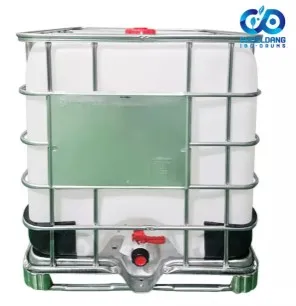
IBC tanks are large-capacity containers designed for the safe handling, storage, and transport of liquids and bulk products. They are frequently used in agriculture, chemicals, pharmaceuticals, and food-related industries because they help simplify logistics and improve storage management. Most IBC tanks feature an HDPE inner container protected by a metal cage, creating a strong and reliable structure for industrial use.
Key Features of IBC Tanks
IBC tanks provide several practical features that support daily operations in commercial environments:
- Durability: Their strong materials and reinforced outer frame help them withstand frequent handling and transport.
- Reusability: Many IBC tanks can be washed and reused, helping reduce packaging waste and ongoing container costs.
- Space Efficiency: Their square shape and stackable design make them easier to store and organize in warehouses.
Benefits of Using IBC Tanks
IBC tanks offer multiple advantages for businesses that manage liquid or semi-liquid products:
One key benefit is efficiency in storage and transport. Because IBC tanks hold a substantial volume in a compact format, they can reduce the number of containers needed and make loading more efficient. This can improve workflow and reduce logistics costs.
They also improve safety. IBC tanks are designed with secure caps and stable outer support, which helps minimize leakage, spills, and contamination. This is especially important for chemical products and other sensitive materials.
Another advantage is versatility. IBC tanks can be used for various applications, including agricultural solutions, industrial chemicals, water storage, and food-grade liquids. Their broad compatibility makes them a flexible solution for many sectors.
Applications of IBC Tanks
IBC tanks are used in a wide range of industries, with each sector relying on them for specific storage and transport needs:
| Industry | Application |
|---|---|
| Agriculture | Storage of water, liquid nutrients, and crop protection solutions |
| Chemicals | Safe containment and transport of industrial liquid chemicals |
| Food and Beverage | Handling edible oils, syrups, and other food-processing liquids |
Choosing the Right IBC Tank
Choosing a suitable IBC tank requires reviewing the following factors carefully:
- Material: Select a tank material that is suitable for the type of product being stored or transported.
- Size: Choose the correct capacity based on your storage volume and shipping requirements.
- Regulations: Ensure the tank meets relevant safety and compliance standards for your industry.
In summary, IBC tanks are a dependable and efficient option for storing and transporting liquids and bulk materials. Their durable construction, reusable design, and adaptable use cases make them a strong choice for industrial operations.
If your business is looking to improve storage efficiency and handling reliability, IBC tanks are worth considering. By evaluating product type, volume, and regulatory requirements, you can select a tank that fits your operation effectively.